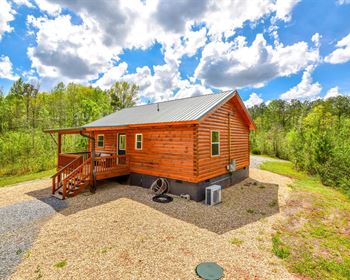
Perfect for Vacation Rental $319/Mo
237 Idaho Ave : Hawthorne, FL 32640
Putnam County, Florida
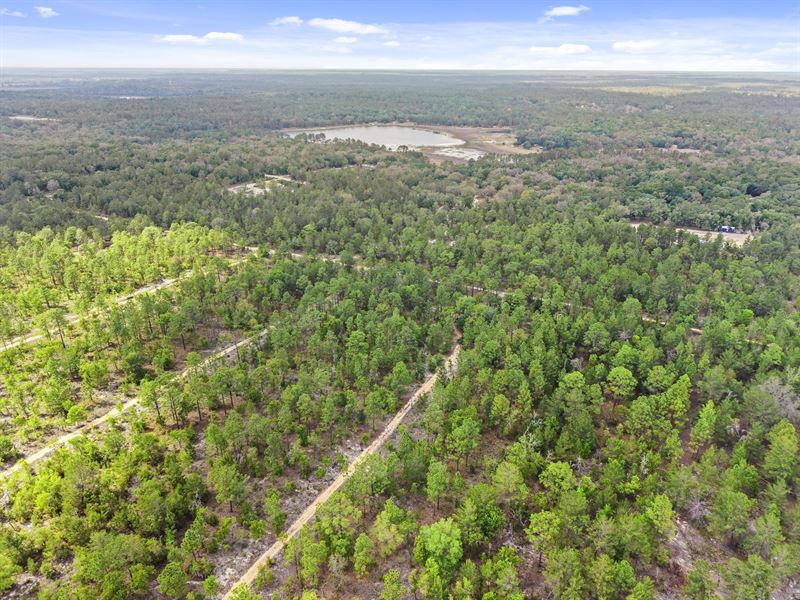
Lot Description
Seller Financing Available
No Credit Check
Low Monthly Payments
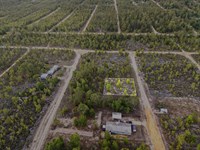
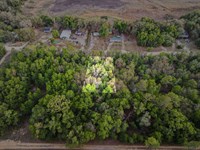
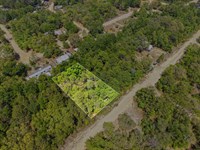
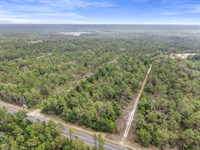
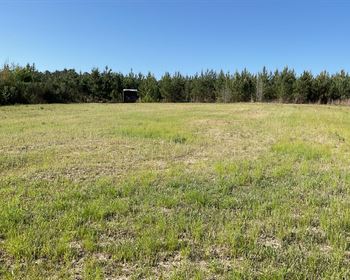
Looking for an investment property with incredible recreational potential? This 0.60-Acre lot in Interlachen, FL, is perfect for creating a retreat, vacation rental, or long-term investment. Surrounded by nature and close to local attractions, this property offers a peaceful setting with endless opportunities for outdoor enjoyment.
Nearby Amenities & Attractions
Holden Park (2 miles). A charming community park with walking trails, open spaces, and spots for picnics or relaxation.
Lake Galilee (2.5 miles). Perfect for fishing, kayaking, or simply enjoying serene water views.
Carl Duval Moore State Forest (3 miles). A haven for outdoor enthusiasts, featuring hiking, wildlife observation, and peaceful nature escapes.
Lake Grandin (3.5 miles). A larger lake offering boating, fishing, and recreational opportunities for water lovers.
Hitchcock's Market (4 miles). A nearby grocery store for easy access to supplies and essentials.
Interlachen Town Square (4.2 miles). A quaint hub for local shops, dining, and small-town charm.
Public Boat Ramp at Lake Chipco (5 miles). Launch a boat or kayak for a day of water recreation and adventure.
Why Invest Here?
Interlachen is a prime location for recreational activities and a growing hotspot for real estate investment. This property's size and central location make it ideal for outdoor enthusiasts, vacationers, and long-term investors looking to capitalize on the area's potential.
Call or message us today to learn more.
Property Details:
- Address: 237 Idaho Ave, Hawthorne, FL 32640
- County: Putnam County, Fl
- Parcel ID: 12-10-23-1600-0090-0060
- Acreage: 0.60
- Terrain: Plain
- Conveyance: Warranty Deed
- Annual HOA Dues: None
- Annual Property Tax: $110
- Water: Would have to drill a well
- Septic: Would have to install a septic system.
- Camping: Not allowed
- RV: Not allowed
Pricing Information:
Discounted Cash Price: $19,400
Easy Financing Price: $23,300
Interest Rate (Apr): 9.7%
Term (in months): 120
Total Monthly Payment: $319
Down Payment: $549
Processing Fee: $499
Total Due Today: $1048
More financing options available.
Please Read: All information is believed to be reliable, but it is not guaranteed. Buyers are responsible for verifying all property details, including but not limited to boundaries, zoning, permitted uses, access, utilities, physical and environmental conditions, acreage, and overall suitability for their intended use. Seller and agent make no warranties, expressed or implied.
Property Identification & Legal Description
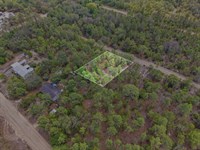
This offering consists of a single vacant parcel located in Putnam County, Florida, identified. According to multiple public and private land listings referencing county records, the parcel contains approximately 0.60 acres, or just over 26,000 square feet, placing it firmly within the range of full-size rural residential lots in this area of the county.
The parcel lies within a platted rural subdivision common to eastern Putnam County, where lots were originally divided for low-density residential or recreational ownership rather than suburban tract development.
County & Regional Context: Putnam County, Florida
Putnam County is located in North-Central Florida, bordered by St. Johns, Flagler, Volusia, Marion, Clay, and Alachua counties. It is widely recognized among land buyers for offering:
Lower land costs compared to coastal or metropolitan Florida counties
Fewer development pressures
Extensive natural resources, including lakes, wetlands, forests, and wildlife corridors
Unlike heavily urbanized counties, Putnam County retains a strong rural identity. Large portions of the county remain unincorporated, meaning land use patterns are more consistent with agricultural, residential-rural, and recreational ownership rather than dense residential zoning.
This parcel is situated near the Interlachen / Hawthorne area, a region known locally for its lake systems, unpaved road networks, and low population density. These features contribute to why vacant land in this area is frequently purchased by buyers seeking long-term ownership rather than immediate development.
Acreage & Lot Characteristics
At approximately 0.60 acres, this parcel offers a meaningful land footprint without reaching the scale or carrying costs of multi-acre tracts. Lots of this size are often favored by buyers because they offer:
Enough space for privacy relative to neighboring parcels
Manageable maintenance requirements
Lower annual property tax obligations
Easier resale liquidity compared to larger acreage
In this specific subdivision pattern, neighboring parcels are similarly sized, which creates consistent spacing between properties rather than irregular density or mixed commercial use nearby.
The acreage is sufficient to serve as a standalone holding parcel, rather than a narrow or constrained strip of land that limits usability.
Access & Roadway Details
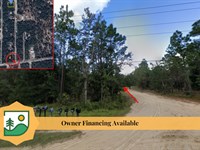
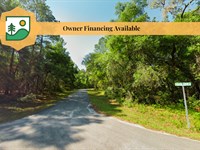
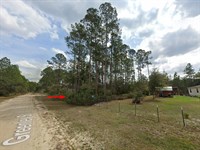
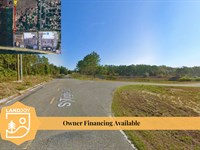
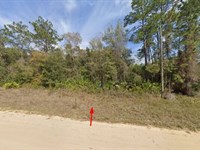
The property fronts Idaho Avenue, a platted roadway providing legal access to the parcel. Roads in this part of Putnam County are typically unimproved or lightly improved, often composed of dirt or sand rather than asphalt.
This type of road infrastructure is common and expected in rural Florida subdivisions and is a defining feature for buyers who prioritize:
Reduced through-traffic
Lower noise levels
Greater separation from commercial activity
Legal road access is an important component of land usability and long-term value. This parcel is not landlocked and does not rely on easements across neighboring properties for entry.
Terrain, Soils & Physical Characteristics
Available listings describe the property's terrain as generally flat, which is consistent with most inland Putnam County parcels away from river floodplains or significant wetland systems.
Flat topography is advantageous from a land usability standpoint because it generally avoids:
Steep grading challenges
Erosion concerns
High clearing or earthwork costs
The soils in this region of Putnam County are commonly sandy, which is typical of North-Central Florida upland areas. Sandy soils tend to drain more efficiently than clay-heavy soils, although buyers should always perform site-specific due diligence regarding flood zones, wetlands, or soil suitability if future development is contemplated.
The parcel is currently undeveloped, allowing an owner to determine whether to leave it in its natural state or gradually improve it over time.
Vegetation & Natural Setting
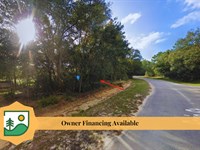
The land is reported to be covered in natural Florida vegetation, including low brush, scrub, and likely scattered pine or similar native species. This undeveloped state provides several benefits:
Natural screening from the road and neighboring parcels
Wildlife habitat typical of the region
Flexibility in future land management decisions
Buyers commonly value parcels like this either as-is for privacy or as a blank canvas that can be selectively cleared later rather than paying for land that has already been altered.
Utilities & Infrastructure
This property does not currently have utilities installed, which is consistent with vacant rural land throughout this portion of Putnam County.
Known utility considerations include:
Water: A private well would be required
Septic: A private septic system would be required
Sewer: Not available
Municipal Water: Not available
Power availability may exist in the broader area, but connection availability and costs should be verified directly by the buyer with the local utility provider based on intended use.
This utility profile aligns with buyers who are comfortable with rural infrastructure or who are purchasing primarily for holding or future planning rather than immediate construction.
Zoning, Use & Regulatory Environment
The parcel is commonly marketed as residential vacant land, consistent with its subdivision context. There is no homeowners association (HOA), meaning there are no additional private covenants, dues, or architectural controls imposed beyond county regulations.
Important considerations noted in public listings include:
Camping: Not permitted under current zoning interpretations
RV use: Not permitted as a primary use
These restrictions are typical of platted residential lots in rural Florida counties and are designed to distinguish permanent residential use from transient occupancy. Buyers should verify current zoning and permitted uses directly with Putnam County for their specific plans.
Privacy, Spacing & Ownership Experience
One of the defining characteristics of this parcel is its low-density setting. Unlike suburban subdivisions where homes sit side-by-side, parcels in this area generally provide meaningful spacing between structures.
Privacy benefits include:
Minimal vehicle traffic
Absence of commercial neighbors
No shared walls, driveways, or amenities
The lack of an HOA further enhances owner autonomy, as there are no association boards, special assessments, or ongoing rule changes imposed by private entities.
Recreation & Surrounding Natural Assets
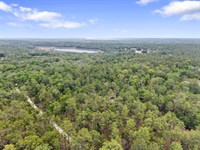
This parcel is located within a few miles of several well-known regional features, including:
Lake Galilee
Lake Grandin
Carl Duval Moore State Forest
Putnam County is recognized for having one of the highest concentrations of lakes per square mile in Florida. These freshwater systems support fishing, kayaking, nature observation, and other passive outdoor pursuits.
State forests in the area provide publicly accessible land for hiking and wildlife observation, contributing to the overall outdoor appeal of the region without requiring ownership of large acreage.
Property Taxes & Holding Costs
Annual property taxes for parcels of this size and classification in Putnam County are typically very low. While tax amounts can change, the low amounts found in this are reflects the generally low carrying cost associated with undeveloped rural land in this county.
Low annual costs make parcels like this attractive for:
Long-term holds
Portfolio diversification
Legacy land planning
Ideal Buyer Profiles
This property is best suited for buyers who:
Want straightforward Florida land ownership
Prefer rural settings over suburban development
Value privacy and minimal regulation
Are comfortable performing their own due diligence
It may be less suitable for buyers seeking:
Immediate residential construction without rural utilities
Short-term occupancy uses such as RV living
High-density development opportunities
Overall Summary
This parcel represents a classic Putnam County vacant land offering-moderate acreage, legal access, no HOA, low taxes, and proximity to lakes and public forestland. It is a parcel designed not for speculation hype, but for patient ownership, practical land banking, or future rural use in a county that continues to attract buyers seeking space and simplicity.
This is real Florida dirt-uncomplicated, accessible, and positioned within one of North-Central Florida's most established rural land markets.
Putnam County, Florida - Local Area Overview for Land Buyers
Putnam County sits in North-Central Florida, positioned between the state's major population centers while retaining a distinctly rural character. Known for its expansive freshwater resources, forests, and low-density development, the county has long attracted buyers seeking land ownership without the congestion, regulation, or pricing pressure found in Florida's coastal metros.
As of the most recent population estimates, Putnam County is home to approximately 77,700-78,000 residents, spread across more than 827 square miles, resulting in a population density of roughly 100-105 people per square mile-significantly lower than much of Florida. county seat is Palatka, located along the St. Johns River, with additional small towns including Interlachen, Crescent City, Pomona Park, Hawthorne, Welaka, Florahome, and Georgetown. These communities anchor services and commerce while leaving most of the county's land area rural and undeveloped.
Geographic Position & Regional Access
Putnam County occupies a strategic interior location that places it within driving distance of several major Florida cities:
Jacksonville: ~1 hour north
Gainesville: ~45 minutes west
St. Augustine: ~45-60 minutes east
Daytona Beach: ~1-1.25 hours southeast
This positioning allows landowners to maintain privacy and space while still accessing employment centers, airports, hospitals, and coastal amenities when needed. transportation routes connecting the county include U.S. Highway 17, State Road 20, and State Road 100, with Interstate 95 and Interstate 75 reachable via short connecting drives. Despite this connectivity, the interior of the county remains largely free of heavy commercial traffic, preserving its rural feel.
Land, Water & Natural Features
Abundance of Freshwater
One of Putnam County's defining characteristics is water. Approximately 12% of the county's total area consists of water, including rivers, lakes, creeks, and wetlands. county contains more than 140 named lakes, giving it one of the highest lake densities in Florida. Notable water bodies include:
St. Johns River (forms the eastern boundary of the county)
Lake George (second-largest lake in Florida)
Crescent Lake
Georges Lake
Lake Grandin
Lake Stella
Lake Como
Numerous smaller interior lakes near Interlachen and Hawthorne lakes and rivers support fishing, boating, paddling, wildlife viewing, and attract buyers who prefer land near water without waterfront pricing.
Forests & Conservation Lands
Putnam County includes or borders multiple significant conservation and public-use areas, including:
Ocala National Forest (western and southern proximity)
Etoniah Creek State Forest
Welaka State Forest
Lake George Conservation Area
Dunns Creek Conservation Area
Ravine Gardens State Park in Palatka lands provide long-term environmental protection, wildlife corridors, and permanent buffers against overdevelopment. For land buyers, proximity to conserved land helps preserve views, privacy, and long-term land value.
Climate & Year-Round Land Use
Putnam County experiences a humid subtropical climate, characteristic of inland North Florida. Based on Noaa climate averages:
Average annual temperature: ~70.7°F
Summer highs: Upper 80s to low 90s °F
Winter lows: Mid-40s to mid-50s °F
Annual rainfall: ~50-51 inches
Snowfall: Essentially none county enjoys approximately 225+ sunny days per year, making it well-suited for outdoor activities, land improvement projects, and year-round access. to South Florida, Putnam County tends to experience:
Slightly cooler winters
Fewer tropical storm impacts
Less humidity variance
This climate profile appeals to buyers looking for Florida weather without extreme tropical conditions.
Land Use Patterns & Development Character
Putnam County remains predominantly rural and agricultural outside of its incorporated towns. Much of the land is zoned for:
Low-density residential
Agricultural use
Timber and forestry
Conservation and recreation
Large sections of the county consist of platted subdivisions created decades ago, resulting in many vacant lots that remain undeveloped today. These lots are often purchased by buyers seeking simple land ownership, long-term holds, or future homesites, rather than immediate construction.
Importantly, many rural areas are unencumbered by HOAs, giving landowners more autonomy compared to master-planned developments in other parts of Florida.
Agriculture, Timber & Working Land
Agriculture plays a central role in Putnam County's land economy. According to Uf/Ifas and Usda data:
Approximately 134,800 acres of land are actively used for agriculture
Agriculture contributes nearly $75 million annually to the local economy
Major land uses include pasture, cropland, timber, and mixed agricultural operations agricultural activities include:
Vegetable farming (notably potatoes and cabbage)
Cattle and pastureland
Timber and forestry operations
Nurseries and specialty crops
For land buyers, this agricultural backbone supports:
Open space preservation
Stable rural land use patterns
Reduced risk of sudden high-density rezoning
Economy & Stability
Putnam County's economy is modest but stable, anchored by:
Agriculture and forestry
Healthcare and social services
Government and education
Manufacturing and light industry
The county's gross domestic product (Gdp) has remained steady, reaching approximately $2.7 billion (real Gdp) in recent estimates. costs, land prices, and taxes tend to remain below state averages, which contributes to affordability and steady long-term demand for vacant land among retirees, out-of-state buyers, and investors.
Recreation & Outdoor Lifestyle
Recreation is woven into daily life in Putnam County. Opportunities include:
Freshwater fishing and boating on the St. Johns River and Lake George
Kayaking and paddling trails on Crescent Lake and the Ocklawaha system
Hiking and nature viewing in state forests and conservation lands
Wildlife observation, including bald eagles, ospreys, deer, and wading birds public access points, boat ramps, and parks are operated by the county and state, ensuring broad public availability without private club restrictions.
Population Trends & Buyer Appeal
While Putnam County is not a high-growth metro, its population has shown steady, moderate growth since 2020 after decades of stability. This trend reflects growing interest from buyers seeking affordable rural land within reasonable driving distance of Florida's urban centers. buyers are commonly drawn from:
Florida residents relocating from coastal counties
Out-of-state buyers seeking long-term holds
Retirees downsizing from urban areas
Investors diversifying into land assets
Why Buyers Choose Putnam County Land
Across listings and transactions, recurring buyer motivations include:
Lower land prices compared to coastal Florida
More land per dollar
Reduced regulation and fewer HOAs
Access to lakes, forests, and public land
Manageable property taxes
Central Florida access without congestion
Putnam County does not rely on hype or speculative development cycles. Instead, its appeal rests on consistency, space, and long-term usability, which is exactly what many vacant-land buyers are seeking.
Conclusion
Putnam County, Florida offers a rare combination in today's land market: abundant water, rural scale, accessible location, and long-term stability. Its extensive lakes, preserved forests, agricultural backbone, and low-density character make it a compelling choice for buyers who value land ownership, privacy, and patience over short-term trends.
For vacant-land listings, Putnam County provides a strong regional context-one defined not by rapid sprawl, but by enduring land value shaped by geography, water, and space.
Even Deeper Dive into the Local Area:
Putnam County, Florida - Comprehensive Local Area Overview for Vacant Land Buyers
County Overview & Geographic Context
Putnam County is located in North-Central Florida, occupying a strategic interior position between several of the state's most influential metropolitan areas. The county spans approximately 827 square miles, of which roughly 12% is surface water, making it one of Florida's more water-rich inland counties. As of recent estimates, Putnam County's population ranges between 77,000 and 78,000 residents, resulting in a low population density of about 100-105 people per square mile, which is significantly below Florida's urbanized counties. [East Palat...unity Park], County is centrally positioned between:
Jacksonville (north)
Gainesville (west)
St. Augustine (east)
Daytona Beach (southeast)
This location allows landowners to maintain rural space while remaining within practical driving distance of interstate highways, regional hospitals, employment hubs, higher education institutions, and international airports. [East Palat...unity Park], Structure & Unincorporated Land
A defining feature for land buyers is that a majority of Putnam County's land is unincorporated. While cities such as Palatka (county seat), Interlachen, Crescent City, Pomona Park, Welaka, Hawthorne, Florahome, and Georgetown provide municipal services and zoning overlays, much of the county falls directly under Putnam County Planning & Zoning jurisdiction rather than city governments.
For vacant-land buyers, this often means:
Fewer layers of local regulation
County-level zoning instead of municipal codes
Larger average parcel sizes
More consistent rural land-use patterns
These characteristics are confirmed through Putnam County Planning & Zoning documentation and GIS land-use maps, which show extensive tracts designated for Agriculture, Rural Residential, and Conservation uses rather than intensive urban development.
Planning, Zoning & Land-Use Framework
Comprehensive Plan & Future Land Use
Putnam County regulates growth primarily through its Comprehensive Plan, particularly the Future Land Use Element, which guides how land may be developed over time. The plan emphasizes:
Preservation of rural character
Protection of water resources
Concentration of higher-density growth near established municipalities
Maintenance of agricultural viability
Future Land Use categories commonly encountered by vacant-land buyers include:
Agricultural (Ag)
Rural Residential (Rr)
Low-Density Residential
Mixed Rural
Conservation / Environmental Protection
These designations influence allowable density, permitted uses, and subdivision potential, rather than guaranteeing development rights. Buyers are expected to verify intended use with Planning & Zoning prior to development. Development Code (Municode)
Putnam County's Land Development Code, published through the Municode Library, establishes standards for:
Minimum lot sizes
Setbacks
Access requirements
Environmental protections
Floodplain and wetland considerations
Septic and well suitability
For vacant-land buyers, this code governs how land may be improved, not merely whether it can be owned. Many rural parcels are suitable for low-density residential or agricultural use but are not intended for high-density subdivision or commercial development without rezoning or special approvals.
The absence of widespread HOA-Controlled communities means county regulations are often the primary governing authority rather than private covenants.
GIS, Mapping & Parcel Transparency
Putnam County maintains a robust GIS Interactive Mapping System and participates in the Putnam County Data Hub (ArcGIS Open Data). These platforms allow buyers to review:
Parcel boundaries
Acreage
Road frontage
Flood zones
Wetlands
Future land-use designations
Soil classifications
Proximity to conservation lands
This level of transparency gives vacant-land buyers unusual visibility into land characteristics prior to purchase, reducing uncertainty and supporting informed due diligence.
Natural Environment, Water & Conservation
Lakes, Rivers & Watersheds
Putnam County is defined by water. The county contains more than 140 named lakes, numerous marsh systems, and extensive river frontage along the St. Johns River and the Ocklawaha River system. Notable water bodies include:
Lake George (Florida's second-largest lake)
Crescent Lake
Georges Lake
Lake Stella
Lake Grandin
Water resources are managed in coordination with the St. Johns River Water Management District, influencing land development near shorelines, floodplains, and wetlands. Lands & Buffering Effect
Large portions of Putnam County are protected through:
State forests (Etoniah Creek, Welaka)
Conservation areas (Lake George Conservation Area, Dunns Creek)
Proximity to Ocala National Forest
County and private conservation easements
These lands act as permanent buffers against large-scale development, preserving rural viewsheds, wildlife corridors, and long-term land stability. Conservation expansion in recent years underscores the county's long-term commitment to environmental protection rather than rapid urban expansion. Karst & Sinkhole Considerations
Putnam County lies within Florida's karst geology region, characterized by limestone substrates that can dissolve over time, creating sinkholes in some areas. Sinkhole presence varies significantly by location.
Florida Geological Survey and karst mapping data show that:
Sinkhole risk exists county-wide but is not uniform
Many areas show historic sinkhole activity; others do not
Site-specific evaluation is required for development
This condition is common throughout North-Central Florida and is typically addressed through geotechnical evaluation when development is contemplated. Ownership alone does not imply instability; rather, risk varies by soil type, water table, and disturbance patterns.
Climate & Land Usability
Putnam County experiences a humid subtropical climate:
Average annual temperature: ~70.7°F
Summers: hot and humid with seasonal rainfall
Winters: mild, with periodic cold fronts
Snowfall: negligible
Average annual rainfall is approximately 50-51 inches, distributed throughout the year. These conditions support agriculture, forestry, and year-round land access but require appropriate drainage planning for improved properties. & Employment Base
Economic Composition
According to the Putnam County Chamber of Commerce, Elevate Putnam, and economic development reports, the county's economy is anchored by:
Agriculture and forestry
Healthcare and social assistance
Manufacturing and logistics
Education and public administration
The county's real GDP exceeds $2.7 billion, reflecting steady but moderate economic activity rather than boom-and-bust cycles. & Land Stability
More than 134,000 acres of land in Putnam County remain in active agricultural use. This includes:
Row crops (notably potatoes and vegetables)
Pastureland for cattle
Timberland and managed forests
Agricultural continuity often protects surrounding vacant land from rapid rezoning and supports long-term rural stability, a key factor for land investors and lifestyle buyers. & Community Profile
According to U.S. Census, City-Data, and Niche:
Median age is in the mid-40s
Owner-occupancy rates exceed 70%
Household sizes average ~2.3-2.4 persons
Population growth is modest but positive since 2020
These metrics indicate a stable, rooted population rather than transient or speculative occupancy. & Community Infrastructure
Putnam County School District operates public schools across the county, serving both incorporated and rural areas. While school assignments vary by location, the district provides K-12 education county-wide, supporting permanent residency in rural settings.
Healthcare access, county services, and retail infrastructure are primarily centered around Palatka and smaller service hubs throughout the county.
Crime & Public Safety Context
Crime data from the FBI Crime Data Explorer, City-Data, and CrimeGrade indicate:
Crime rates vary by municipality
Rural areas generally experience lower crime rates than urban cores
Property crime is more prevalent than violent crime county-wide
As with all land purchases, buyers are encouraged to evaluate the specific area rather than relying on county-wide averages. Buyers Choose Vacant Land in Putnam County
Across listings and transactions, buyers frequently cite:
Affordability relative to coastal Florida
Larger lot sizes and more space
Fewer HOAs and private restrictions
Access to lakes, forests, and public land
Central Florida location without metro congestion
Low holding costs for unimproved land
Putnam County appeals to buyers seeking control, patience, and long-term ownership, rather than instant development or resale hype.
Conclusion
Putnam County, Florida represents a measured, transparent, and land-friendly environment. Guided by a comprehensive planning framework, supported by detailed GIS data, and grounded in agriculture and conservation, the county offers a stable setting for vacant-land ownership.
Whether a buyer's goal is long-term holding, future residential use, recreation access, or legacy land ownership, Putnam County provides the regulatory clarity, environmental resources, and economic consistency that land buyers value.
Sources include: Putnam County Planning & Zoning, Municode Land Development Code, Putnam County GIS & Data Hub, Putnam County Comprehensive Plan, Putnam County Chamber of Commerce, Elevate Putnam, U.S. Census Bureau, City-Data, Niche, Florida geological data, and publicly available economic development reports.
All facts and figures above are derived from documented sources including the U.S. Census Bureau, Noaa, Uf/Ifas, the Florida Department of Agriculture, St. Johns River Water Management District, and public conservation agencies. ]
Lot Maps & Attachments
More Lot Details
Lot Price History
More Lots from Jonathan Highman
 0.3 AC : $13.6K
- 0.2 AC : $11.3K
- 0.5 AC : $27K
- 0.3 AC : $17.9K
- 0.3 AC : $14.3K
- 0.2 AC : $9K
- 0.2 AC : $9K
- 0.2 AC : $12.5K
- 0.3 AC : $10K
- 0.2 AC : $12K
- 0.3 AC : $15K
- 0.3 AC : $18K